
CHRISTINE GORDON | CONTRIBUTOR
Who was the first woman you knew in an abusive relationship? Maybe she was your college roommate or your older sister. Maybe your office mate spoke in hushed tones to the screaming voice coming out of her phone. Whoever it was, chances are you felt a mix of compassion and confusion as you watched. Victims of domestic violence often stay in damaging, dangerous marriages even as those who care for them beg them to leave. They stay for lots of reasons including the confusing power dynamics of abuse, a belief that leaving goes against their faith, and a lack of safe places to go. Some don’t recognize the marriage as abusive. Others think it’s their fault.
Obviously, these women are the kind of people Jesus referred to when he named “the least of these” (Matt 25:40). They are the vulnerable, the voiceless, those without an advocate. And according to the 2022 PCA Report on Domestic Abuse, they’ve been deserted. Page 2496 reads, “All types of abuse create a forced separation in the marriage, just like physical abuse. And therefore all types of abuse qualify as a form of desertion.”[1]
One of the ways we, the women of the church, can help is by holding these sisters’ hands as they go to their brothers to get help. Now, the church is not the police. The church is not an attorney or a judge. But the church does hold authority over its members. There’s a reason we take membership vows. In the PCA’s fifth vow we commit to work for the purity and peace of the church. We promise to support the church’s authority and discipline, and we dedicate ourselves to preserving a unified community of believers.
What happens when a husband violates these vows by abusing his wife?
Usually nothing, at first. If the woman recognizes what’s happening, she may have no idea who could help. She may not know who the leaders of her church are other than the pastor(s), whom she may have never met. Can you imagine making an appointment with a male spiritual leader you don’t know to try and explain the verbal abuse you’re not sure how to articulate? Or talking to the elder who regularly meets your spouse to play golf about how your husband bruises your arms?
Other Women Can Help
Victims of domestic abuse are overwhelmingly female. Elders are male. How do we bridge the gap? Consider an acquaintance we’ll call “Liz”. Liz’s husband was sexually and spiritually abusive for years. He used the Bible (which he knew much better than Liz) to justify his actions. Liz didn’t know any elders in her church, though she regularly attended a Bible study along with Sunday worship. When “Heather”, a woman on part-time staff, met with her several times for coffee, she slowly discerned that abuse was happening. Liz was terrified the elders wouldn’t believe her or would side with her more biblically literate husband. But when Heather sat next to Liz and explained Liz’s situation to actively listening elders, Liz felt some real hope for the first time in years. Her husband was disciplined, the church helped find her a safe place to stay, and she and her children got out.
Of course this isn’t how it always goes. Not all churches are equally equipped with people willing to listen and ready to help. And it’s not always this simple. Relationships are nuanced and complicated. Getting involved is messy. But if the statistics are right, one in four women in your congregation will experience domestic violence in her lifetime.[2] One in four. We’re not going to help perfectly. But Jesus would ask us, “What would you want your sisters and brothers at church to do for you?”
What You Can Do
Most of us women in the pews aren’t trained counselors. We’re not mostly social workers or mental health professionals. But we’re friends with women and we notice things. We hear stories and receive SOS calls. We don’t need to have a title to believe other women. We can ask questions, listen, validate, and comfort. And we can bend the ear of the male leadership in our churches. Maybe you have a great relationship with your pastor or elders. Maybe you’ve never met. Introduce yourself. Ask how a woman who needs help might find it in your context if you don’t already know. Learn what structure is already in place so that you know where to go if you need it. And if nothing is in place, ask how you can help put it there.
We all need to have eyes to see those silently suffering next to us. Darby Strickland and Diane Langberg, both part of the PCA, have produced excellent resources that can help us know what to look for. No one of us can stop the abuse happening in our churches. But all of us together can bring change. The training every church is ready for is simply this message: This is happening in your church. And Jesus cares about it. What is He asking of you?
Books from experts we can trust:
Is it Abuse? By Darby Strickland
When It’s Trauma By Darby Strickland
When the Church Harms God’s People by Diane Langberg
The Impact of Sexual Abuse by Diane Langberg
Articles about domestic violence in the church:
Church Members are Not Exempt from Domestic Violence
How the Church becomes a grooming place for domestic violence
Handbook for pastors, elders, and church leaders on domestic abuse
[1] https://pcaga.org/wp-content/uploads/2022/05/2022-Study-Committee-Report-on-Domestic-Abuse-and-Sexual-Assault-1.pdf, accessed 9.3.26.
[2] https://cpgn.org/blogposts/domestic-violence-statistics-in-the-united-states/, accessed 9.3.26.
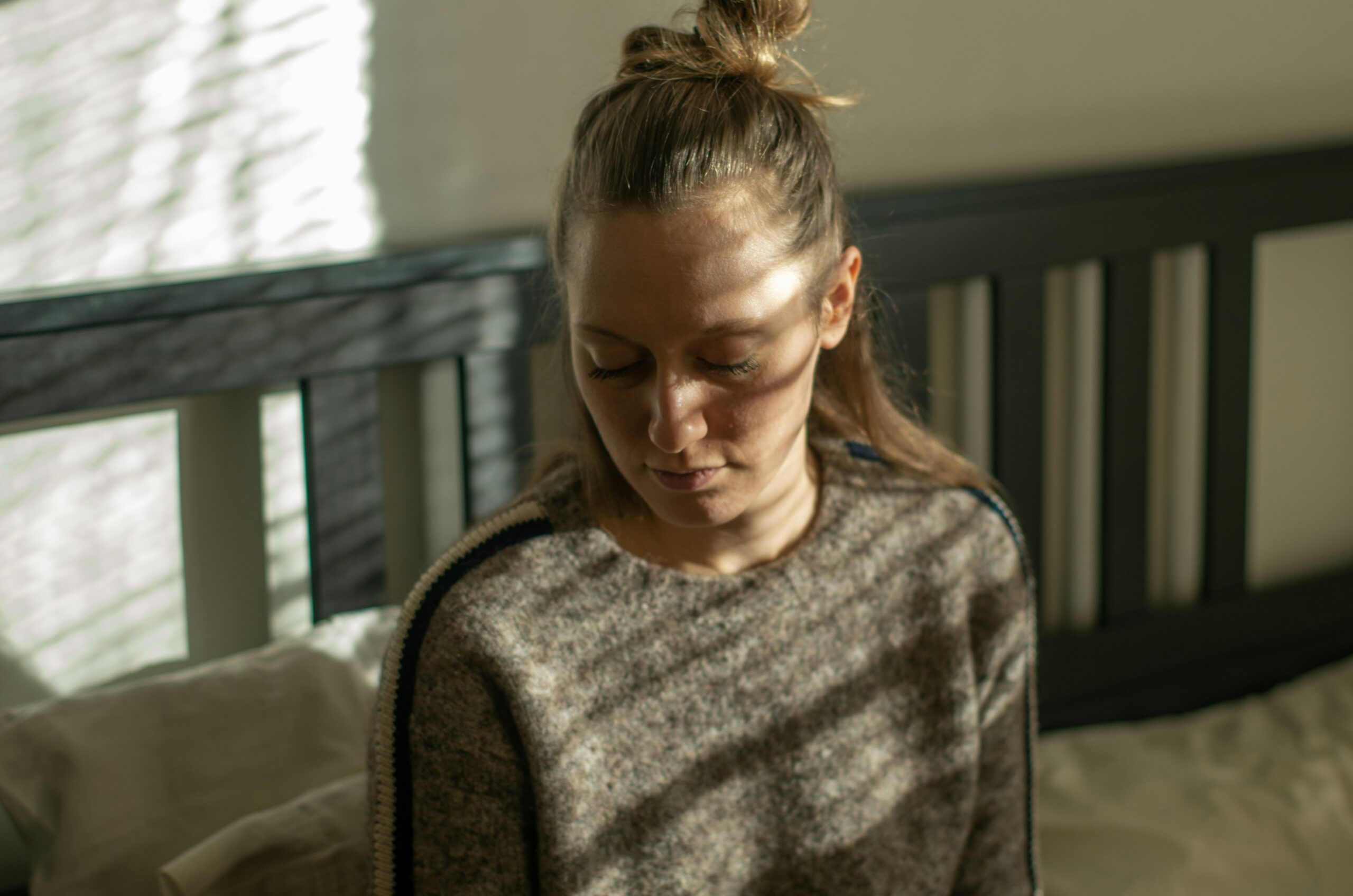
Photo by Emily Leake on Unsplash

Christine Gordon
Christine B. Gordon, MATS, is wife to Michael and mother of three. She is the co-founder of At His Feet Studies and a visiting instructor at Covenant Theological Seminary. She loves to walk, make music with other people, and share bad puns with her family.