Celebration Tatiana Anderson
Better Together: Celebration - Tatiana Anderson [...]

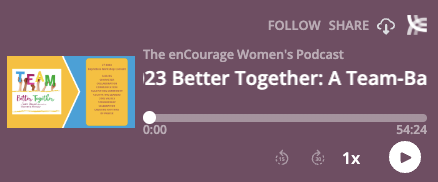
Better Together: Celebration - Tatiana Anderson [...]
Better Together: Stewardship - Chandra Oliver [...]
Better Together: Cultivating Leaders - Cheryl Mullis and Teri Anderson [...]
Better Together: Creating Community - Shea Patrick and Courtney [...]
Better Together: Communication - Susan Tyner and Paula Miles [...]
Better Together: Collaboration - Jamie Voss and Marcie Tuten [...]
Better Together: Community. Men and Women Serving Together Q&A [...]
REBECCA TAYLOR|GUEST I have been told time and time again that church is supposed to be like a family. Being a pastor’s daughter and now a pastor’s wife, I see the metaphor play itself out in church relationships. However, I often feel lost when I enter church. Who will I sit next to? Who gets me? Which community group or Bible study is the right one for me? I think many of us can relate to the desire to “find our group” or “find our person” when entering the doors of the church. For many years, this was my goal. But this past year, my eyes opened to a new way of viewing things. I now realize that if church is supposed to be like family, then we already belong. This shouldn’t sound groundbreaking, but it was for me. I have worked so hard, for so long, to try and feel “attached” to a group or church. This year, I have accepted that I am free to connect, instead of looking for a clinging attachment...
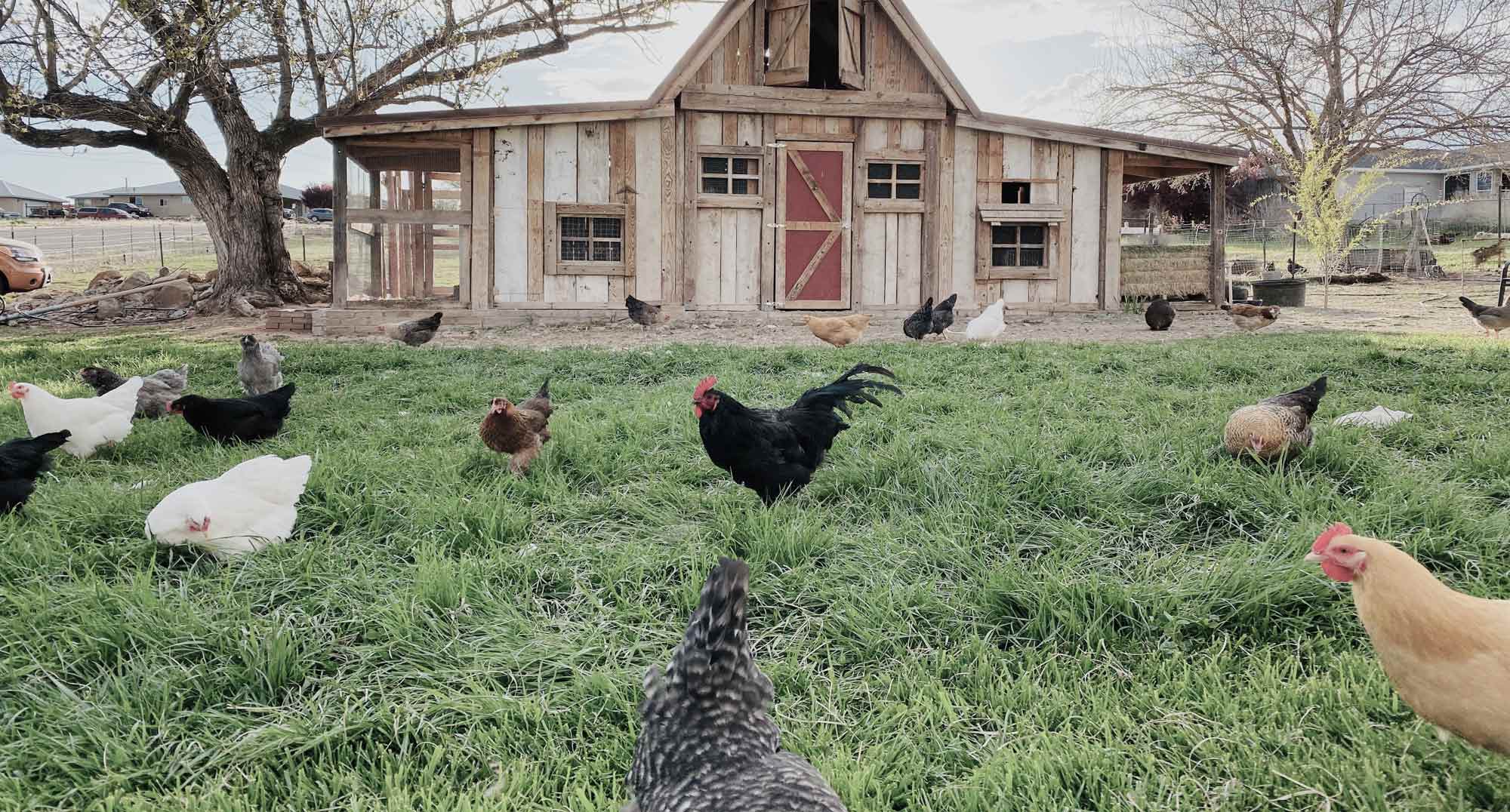
MARLYS ROOS|GUEST Do you remember the story of the little red hen? She asked each of her friends on the farm, “Who will help me plant these wheat seeds?” But each replied, “Not I.” (They used correct grammar!) So, she did it herself. When the wheat had grown, she asked each to help her harvest it, but each replied, “Not I.” The same thing happened when she asked for help to carry the wheat to the miller to be ground and even when she asked them to help her bake the bread. Then, as soon as the bread was ready and the rich aroma wafted across the farmyard, she asked, “Who will help me eat this bread?” All her so-called friends eagerly replied, “I will!” She, nevertheless, informed them, “No, you won’t. I will eat it myself.” Although it was first published in 1918, I’m sure this folktale has been around longer. Parents and teachers (as well as Mister Rogers and Captain Kangaroo, if you’re old enough to remember them) used it as a parable to teach children the value of hard work and the consequences of laziness. I think it has an even broader application—for the times we just don’t want to bother or be bothered―and we miss out...

AMANDA PETERSON|GUEST “I in them and you in me, that they may become perfectly one, so that the world may know that you sent me and loved them even as you loved me.” John 17:23 John 17 is a glimpse into the heart of Christ as we get to see His final prayer to the Father the night of His arrest. He is burdened for His disciples and for all who would believe in Him through their word, which includes us, His people! Jesus repeatedly prays to the Father that His people would be one. He is not just praying for comradery, but He is praying for all believers to be perfectly one as a witness to the world of the love of God and the gospel of Jesus Christ. If the oneness of His people was so heavy on His heart and mind, we then should seek to rightly understand how we can live as one Body to the watching world...