
MARIA CURREY | CONTRIBUTOR
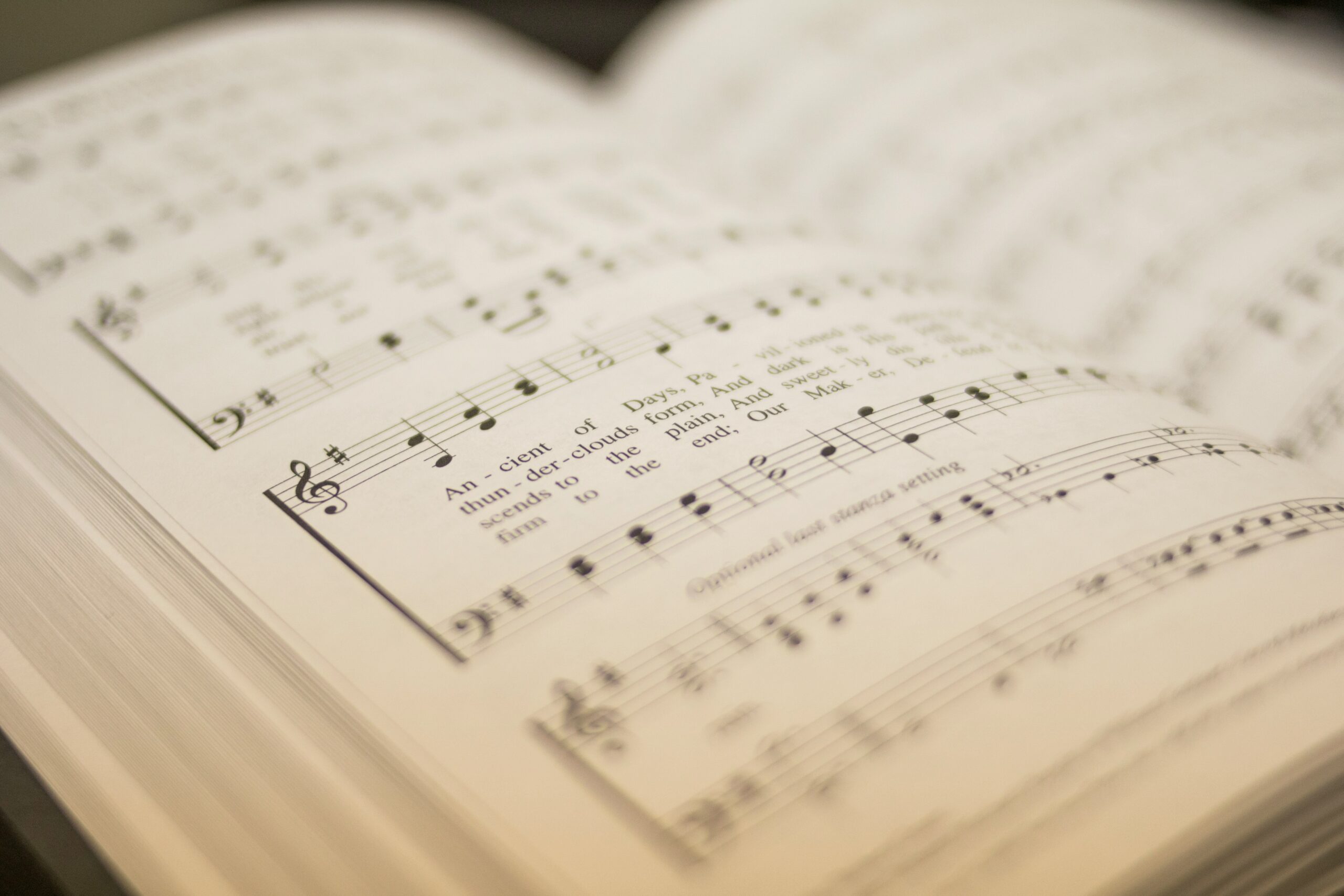
Imagine if the music you listen to, favorite songs and melodies, had no sense of rhythm, no pauses for silence and a breath. To observe a rest in music is equally important as every note. God, as the Composer of all we know is the one who orchestrated every rhythm of the earth: the ebb and flow of the seas; the rising and setting of the sun; waking by day and sleeping by night; each beat of our hearts; for each of us, there is a measured pulse from cradle to the grave.
To observe and embrace silent spaces within the scores of our lifespan is to enjoy God’s intended rhythm for our days. Merriam-Webster defines rest in a full spectrum from “lying down, especially to sleep; to cease from action or motion – refrain from labor or exertion; to be free from anxiety or disturbance…and a rhythmic silence in music or a character representing such a silence.”
Restful Pace
When we reach a rest in a musical score, that pause is as vital to the musical line as the notes. When we sing, each rest provides a needed breath to refresh for the next phrases. In our daily rhythm, we cannot sustain life for an indefinite time without rest. Just as each breath is essential to our physical vitality, we need spiritual breath to walk and run without fatigue and potential exhaustion.
God appointed us the sabbath for our hearts and minds to keep a well measured spiritual rhythm. Formally, Sunday is observed among Christians as a day of rest and worship. Sabbath is set-apart rest from our labor and work to focus full attention on God. God Himself set the tempo in Genesis 2:2-3: “And on the seventh day God finished his work that he had done, and he rested on the seventh day from all his work that he had done. So, God blessed the seventh day and made it holy, because on it, God rested from all his work that he had done in creation.” As with any action within God’s holy Word, if it is good for God, it is critically good for us. As image bearers of God, the Creator and Composer of every noted detail within this world, we were designed to balance work and sabbath rest.
In our structured world of ambitious work, a hurried pace often runs at the heels of rest, and Sunday sometimes resembles a rhythm not unlike the six days before and after. If we are not intentionally careful and prayerful to embrace and practice sabbath rest, a slower pace of grace can be replaced quickly by hurry and a rush for productivity.
Restful Grace
My family recently enjoyed a weekend in the quiet, unrushed hills and hollers of West Virginia. Vast miles of untouched trees, meandering meadows, winsome wildlife, and cool air created spaces of gentle grace. A slower pace opened my eyes to God’s grace in His spacious handiwork. We sang shaped note hymns, square danced in the town center, licked curbside ice cream cones, and visited family homesteads and gravesides—simply being and breathing, pausing and resting in God’s life-giving joys. Sunday worship offered slow, word-by-word pondering of a small passage in 1 John 5, simply and yet profoundly considering each verse, exploring passages in context with the whole of God’s Word—book-ended by exalting God in humble prayer and singing. God’s slowed restful grace met us in the mountains.
Restful Place
Throughout the Psalms, we find Selah rest. A place to rest, to pause and reflect—to breathe deeply of God’s presence and peace. Sabbath rest is a day set apart, a place for rest. In her book Sabbath Rest, Megan Hill writes, “The Sabbath is the pattern God established from Genesis to Revelation, so we ought to recognize this pattern and defend it in our lives. The Lord invites us to set aside ordinary things and to experience the blessing of spiritual things,” essentially reorienting all of who we are to gaze upon and worship our great God in a refreshing posture of worshipful rest. Sabbath Rest is a beautiful primer to effectively “see what we can do with one free day every week. Chiefly, we can rest in the Lord—worship him, grow in our knowledge of and love for him, and enjoy him and all his benefits.” Hill points the reader to the chief end of man as found in the Westminster Shorter Catechism: “Man’s chief end is to glorify God, and to enjoy him forever.” Her sage point is that “to enjoy our God, we need time to slow down and savor who he is and what he has done.”
In the rhythm of your days, enjoy God in His pace, grace, and place of sabbath rest!
Photo by Michael Maasen on Unsplash

Maria Currey
Maria Currey is the Women’s Ministry Director at Northeast Presbyterian Church in Columbia, South Carolina. She and her husband Craig spent many of their 39 years of marriage traveling the world with the U.S. Army. They have three grown children and six delightful grandchildren. Maria previously served in local and international roles within PWOC, a military women’s ministry. Maria is the author of the Bible study Understanding Wisdom; she loves to study and teach the Word and to share long lunches and Jesus-inspirations with other women. Her heart smiles while exploring God’s wonders with her grandchildren, visiting new places, and tasting favorite flavors with family and friends.