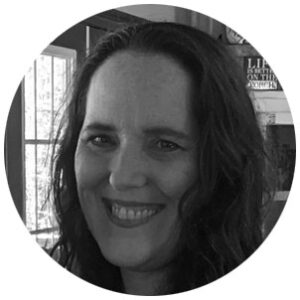

KRISTI MCCOWN | GUEST
On January 22, 1984, President Ronald Reagan issued a presidential proclamation. He declared the third Sunday of January as National Sanctity of Human Life Day. This date marked the 11th anniversary of Roe v. Wade, the ruling that legalized abortion nationally. Much has changed around abortion over the past four decades. In 2022, Roe v. Wade was overturned. For the pro-life movement, this was a major victory and a step in providing legal protection for unborn children. Today, abortion is limited or prohibited in 26 states; however, it is still protected in 25 states. However, the need to pray and advocate for life in our community and nation remains important. Pastors, churches, and life organizations use this day to bring awareness to daily assaults on human life by the abortion industry. One way to protect unborn lives is to expose the darkness of abortion and support local Pregnancy Help Organizations, which daily reach women and families with hope and life.
Making an Impact on Life
I work at one of these ministries as a counselor. When I began at the Pregnancy and Family Resource Center in my small Mississippi town, I was overwhelmed. This ministry is hard and heavy, yet miraculous and healing. One of my first clients I met there was a 13-year-old girl and her mother. The pain on this mother’s face was heartbreaking; her child was about to have a child. We walked with this mother and her daughter through the birth of her baby with compassion and care.
The women who enter our facility face tragedy and pain. For example, I recently met with a new client who just learned she was pregnant and was panicking. She had already mapped out directions to an abortion clinic and called to see how much it cost. When people are in this much distress, they consider things they wouldn’t normally consider. While abortion is not legal in my state, we are still fighting a serious battle because people will leave the state to get an abortion. We want to reach these people before they do and show them another way. Women who come to our center need ongoing support and we are there to provide it. Many of our women lack help and care from their families. This highlights why local Pregnancy Help Organizations exemplify loving our neighbor. James 2:15-26 says, “If a brother or sister is poorly clothed and lacking daily food and one of you says, ‘Go in peace, be warmed and filled,’ without giving them what they need, what good is that?”
Whole Person Care
This ministry is a beautiful example of a holistic approach. Holistic ministry means engaging the whole person—spiritually, physically, and relationally—with the whole gospel. My local crisis pregnancy center addresses a clients’ physical needs first, which opens the door to addressing spiritual needs. We meet their physical needs by offering free maternity essentials, baby supplies, parenting classes, and life skills resources. But my favorite thing we offer is a safe, confidential, and loving environment where they can come and be seen, valued, and supported with love. We also address their spiritual needs. I love that every client receives a Bible, hears the gospel, and is prayed over. Education is vital, but this ministry goes deeper. I read an inspiring quote by Lean Outten: “We can’t simply encourage an expectant mother to choose life and then leave her alone. We must follow up and follow through.” This captures our ongoing commitment to those we serve.
The Need for Post-Abortive Care
We also face the challenge of ministering to women who have experienced past abortions. This is a core wound that produces ongoing trauma for women that they never expected. I had a young mother who came to my center and she chose to parent her child; however, my co-worker noticed how depressed this young mother was, and she finally revealed that she had been forced to have an abortion when she was a teenager. So now every milestone with her child was a painful reminder of the child she lost. This is one of the facts that abortion clinics do not tell women: 44% experience post-abortion stress (PAS), which involves intense emotional, psychological, and spiritual distress, with symptoms like nightmares, guilt, anxiety, flashbacks, or self-destructive behaviors. Pregnancy resource centers across our country offer a safe place to find emotional and spiritual healing, hope, and restoration.
An Extraordinary Impact
These words of James challenge me in my work at the crisis pregnancy center: “But the one who looks into the perfect law, the law of liberty, and perseveres, being no hearer who forgets but a doer who acts, he will be blessed in his doing” (1:25). James uses “doers” and “hearers” as nouns, focusing on people rather than actions. He urges us to become people who consistently act, not just occasionally do.
Years ago, when I began my service at the pregnancy center, I felt unequipped, which reminded me that ordinary people—empowered by grace—can have an extraordinary impact when they act with intentional support. A quote from Ed Welch’ book Side by Side encouraged me: “If you feel quite weak and ordinary—but have the Spirit—you have the right credentials. You are one of the ordinary people God uses to help others.” Supporting life requires more than good intentions; it takes action rooted in holistic, ongoing care for those in need. Consider one practical step you can take today to move from being a hearer to a doer, so you can actively support life this week.
For support and resources to champion life in your community, use this link for free church materials, or contact your local pregnancy resource center. https://share.google/lLEGeqCBD6G98yfjl
Photo by Artem Kovalev on Unsplash