
KC JONES | GUEST
Growing up in the arid Rockies of Colorado, I did not need anyone to tell me how important it was to drink water and lots of it. I applied lotion twice a day, morning and night, so that my feet and palms would not crack and bleed. I knew better than to go on any excursion alone without taking necessary precautions such as informing loved ones of where I was going, how long it should take, and securing plenty of snacks and water. Lots of water.
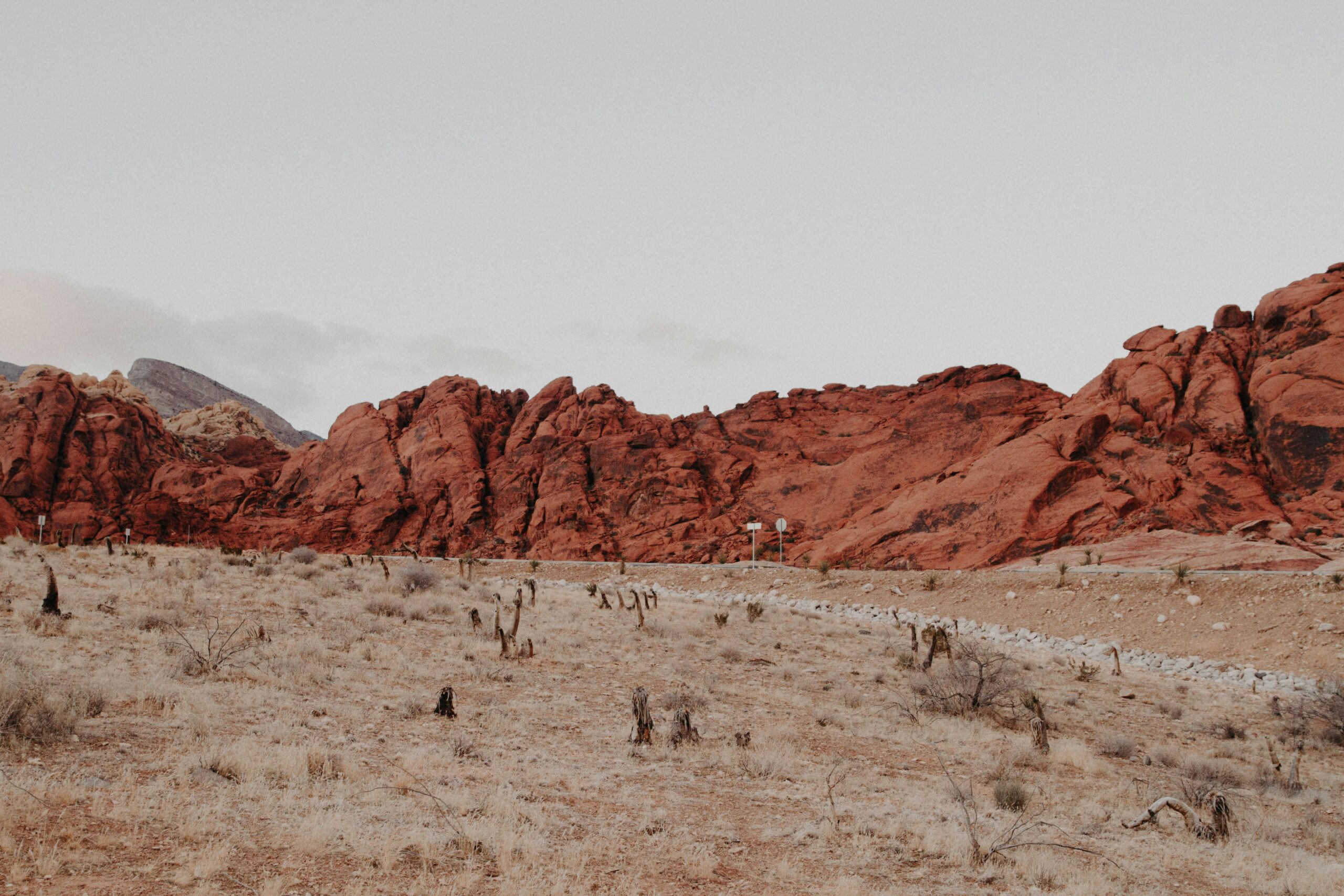
One does not typically search for water in the desert. It is hard to imagine anyone might find refreshment and restoration in a place consisting of the most extreme elements– scarce in human resources. Yet, for those who see with their spiritual eyes, the desert is precisely the place God uses as a refuge for His own.
Perhaps it seems odd that the desert is often used by the Lord to protect His people, provide for them, and to prepare them for what He has for them. If we examine the significance of the desert experience, it might be easier to comprehend God’s purpose for our lives.
Protection
The Israelites who suffered as slaves in Egypt knew firsthand what it was like to be led by the Lord into the wilderness. It was not long before they were filled with doubt in facing an unknown land. As the Egyptians pursued them to the edge of the Red Sea, the Israelites cried out, “Is it because there are no graves in Egypt that you have taken us away to die in the wilderness?” (Ex. 14:11a). The fear they felt as they faced opposition was a direct result of their unbelief. They mistrusted God’s goodness toward them. They, like sheep, forgot the miracles God performed through Moses and Aaron. They lost all sense of who God was and who they were.
Even so, as the story enfolds, God continues to draw His people out into a place of His utter and complete protection. In doing so, they are forced to depend completely on Him. The scene builds to a climax. The Israelites stand on the edge of the sea, anticipating their imminent death as Pharaoh’s soldiers approach in their chariots. The Lord reminds them through the mouth of Moses, “The Lord will fight for you, and you have only to be silent” (Ex. 14:14). God reminds His children to stand firm and not fear. He has the power to keep them secure; no one can remove them from His hand. God then divides the waters, allowing the Israelites to walk though, and then returns the sea to its place, covering the Egyptians completely. As the Israelites look upon the devastation of the army, they fear the Lord and sing praises to Him. The Lord not only leads His people out of slavery, but frees them entirely from the oppression of the Egyptians. He protects them entirely.
Isaiah alludes to this scene by recounting, “Thus says the Lord, who makes a way in the sea, a path in the mighty waters, who brings forth chariot and horse, army and warrior; they lie down, they cannot rise, they are extinguished, quenched like a wick:” (43:16-17). He proceeds to describe how the Lord will make a way in the wilderness for His people because of His great love for them. The defeat of Pharaoh’s army is just one of the many examples of God’s pattern of continual protection of His people.
Provision
Elijah is another figure who experiences God in the wilderness and receives help from Him when he is at his most desperate. After fleeing for his life from the evil Jezebel, Elijah travels a day’s journey and sits down underneath a broom tree, utterly exhausted and in despair. He cries out to the Lord begging for his own death saying, “‘It is enough; now, O Lord, take away my life, for I am no better than my fathers’” (I Kings 19:4:b). His words reveal the depth of hopelessness he feels as he casts himself entirely on the Lord for relief. In response, God sends an angel to feed and to watch over Elijah as he rests. In His tender compassion, God provides for Elijah what he cannot provide for himself. As a result, Elijah’s strength is replenished as is his faith in the Lord. It is his desert experience that draws him closer to God as God provides for him in a place of isolation and barrenness.
In the desert, Elijah finds complete provision in the Lord. His fears are met with comfort and relief just as his hunger is met with sustenance. Even in a desert devoid of nutrients and rest, it becomes green pastures to Elijah. He would have understood the psalmist’s proclamation that, “The eyes of all look to you, and you give them their food in due season. You open your hand; you satisfy the desire of every living thing” (Ps. 145:15-16). It is precisely in the very place of no provision that God provides.
Preparation
God not only surrounds and defends His children and grants them abundance, He also prepares them to carry out His mission.
As any soldier takes time to cover himself fully with his armor before battle, so the Lord offers His warriors time and space to develop their arsenal. He does not lead them into warfare without weapons. He gives them His Word.
Jesus readies for His own battles to come when He ventures into the wilderness for forty days after His baptism. In his gospel account, Matthew explains that it is the Spirit who leads Him there (4:1). Even before Jesus begins His official ministry on earth, His heavenly Father draws Him away from the rest of the world to equip Him for the journey that lay ahead.
In the desert, Satan tempts Jesus three times and each time Jesus responds with the words of the Lord. He resists the temptation of the evil one because He is fortified against the attack with the Word of God. More than that, Jesus defines Himself as the Word in the gospel of John, “And the Word became flesh and dwelt among us, and we have seen His glory, glory as of the only Son from the Father, full of grace and truth” (John 1:14). Jesus, the very Word of God is prepared, by the Word of God, to carry out His mission for our good and His glory. It is a mission only He could carry out. It cost Him His life on the cross as the atoning sacrifice for our sins that we might live by the Word of His truth forevermore.
The desert may seem terrible to us. It may fill us with fear and dread as we consider the implications of being alone without safety, sustenance, or surety. Indeed, we are tempted to fight against being in such a place. We kick against the shepherd’s goads. We cry out in dismay. We plead that the Lord bring us out of the wilderness. Yet, what if our Lord, who is sovereign over all things and who loves us more than we can understand, has brought us to this place of desolation because He is not only doing more for us than we can ask or imagine, but because He longs to commune with us? Would it change the way we look at the desert? Would it enrich our view of God? Would that not be worth it?
Photo by Kenny Eliason on Unsplash

KC Jones
KC is servant to God, wife to Baskin, and homeschool mother to four children. She is passionate about speaking, writing, and teaching, and zealous in her desire to encourage women to use their gifts for the glory of God. She is a member of Redeemer Church in Jackson, MS. where she is privileged to serve on the Women’s Ministry Team and lead Bible studies and Sunday School classes for women with a focus on Biblical literacy. In an effort to combine two of her favorite hobbies, KC is often spotted running to her favorite local bookstore. When not directly serving in the life of the Church, KC and her husband tend to their community garden, read-aloud to one another, and laugh at the many shenanigans their children get up to each day.