
Nothing to Hide: Encouraging Transparency in our Relationships

AMY SANTARELLI |GUEST Nothing to fear. Nothing to prove. Nothing to hide. Nothing to fear. Nothing to prove. Nothing to hide. I kept repeating the words to myself as I sat down to lead our women’s Bible study. I had determined that night to share some things on my heart that were not easy to share. They were revealing. We were studying the process of biblical change using a booklet1 I often use as a biblical counselor. I was excited about sharing this great little treasure with my fellow women. But then came the conviction. In preparation, I was scanning the booklet’s section on repentance and when I read, not for the first time, that true repentance means actual turning from former ways, that is when the conviction struck. I recalled that many times lately, I had confessed to God and asked forgiveness for habitually staying up too late and then sleeping in too long. I complained in my heart about not having enough time to do things, and yet I was on my phone so much. And then there was the control that food often had over me. I was running to things other than Christ. This was not the first time I had felt this conviction...

Nothing to Hide: Encouraging Transparency in our Relationships2026-04-12T18:04:16+00:00

The Challenge and Hope of Love

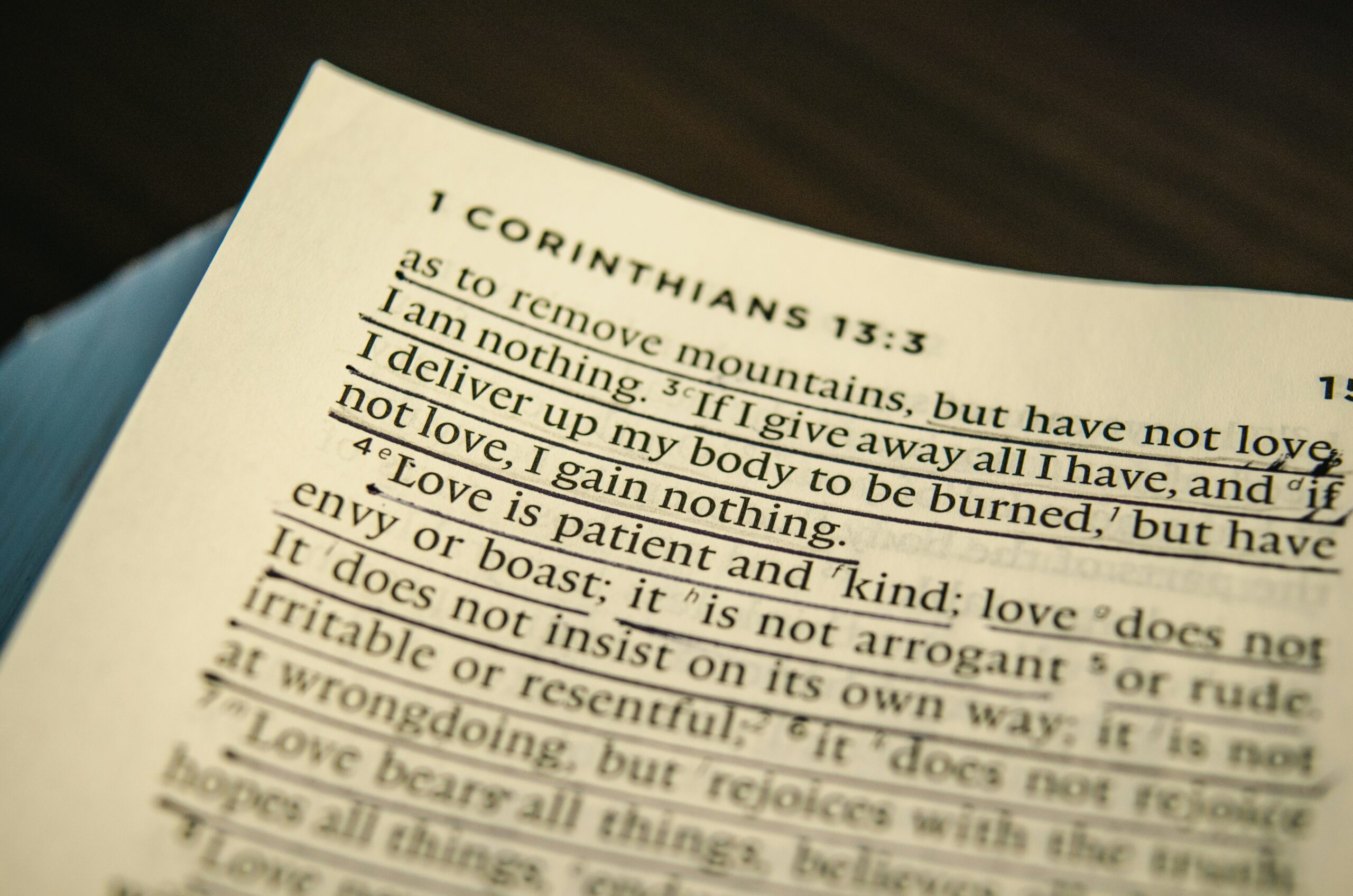
BETHANY BELUE | CONTRIBUTOR My children and I have been working our way through a Scripture memory book this school year. Each week, we focus on a different verse, learning it together, memorizing it, playing a song related to it, and weaving it into our week. It’s been a sweet way for us to hide God’s Word in our hearts together. Last week, the passage was short and simple: “Love is patient. Love is kind” (1 Cor. 13:4). Although it was a simpler verse to memorize, it brought so much depth of conversation and meditation.   As my husband and I parent our children, we often talk about loving others. What does it mean to put our siblings before ourselves? How can we show kindness to our friends? How can we be patient when we have to wait for things? It’s woven into our parenting and our family values, but in my own heart, memorizing this passage with my children provoked some deeper feelings and struggles.   First Corinthians 13:4-7 says, “Love is patient and kind; love does not envy or boast; it is not arrogant or rude. It does not insist on its own way; it is not irritable or resentful; it does not rejoice at wrongdoing but rejoices with the truth. Love bears all things, believes all things, hopes all things, endures all things.” It’s easy to love my children when they are obeying me, to love my husband when he is serving me, to love my friends when they are treating me kindly, but what about all the times when it’s hard to love others?...  

The Challenge and Hope of Love2026-02-09T20:53:45+00:00

A Cat Story: Temptation Leads to Sin or Sanctification

LAURA DAVIS|GUEST She set out without telling anyone where she was going.  Her eleven grown children were used to her disappearing, and they scarcely ever worried about her.  She was a tough woman who had suffered much in her 67 years—she was the hardworking wife of a farmer who had physically abused her for their entire marriage.  She’d proven she could take care of herself. On May 2, 1955, Grandma Gatewood set out from Oglethorpe, GA to become the first solo female to hike 2,160 miles of the Appalachian Trail.  She carried a lightweight handmade drawstring bag with a few provisions and wore canvas sneakers on her feet.  She brought no map and no plan except to put one foot in front of the other. A Treacherous Journey On September 5, near the end of her journey with almost 2000 miles behind her, she traversed some of the most difficult terrain she had encountered thus far.  She had one good lens in her glasses after she accidentally stepped on them, and she limped from a knee injury after a fall. The climb before her was treacherous, the kind of treacherous that was a matter of life or death with just one small misstep.  The weather had also become cold and miserable with fat, icy rain drops pelting her skin.  Her canvas sneakers, which she has replaced multiple times before, were worn through so that water gushed through the holes and soaked her socks.  She was half-blind, limping, wearing worn out shoes, and the path was slick and dangerous.    She left the trail to find a town in which to buy shoes, but instead, she encountered a man mowing the grass.  He explained there were no towns for miles but offered for his wife to meet her at the next trail intersection with a new pair of shoes.  Later that afternoon, she met his wife and when she tried on those new shoes, they were too small. The woman invited her to stay the night and the next day, after giving her shoes that fit, her daughter and a friend joined Grandma Gatewood on the next 10- mile stretch of the trail.  For most of the journey, she hiked solo, but for parts of it, this tough woman needed other hikers to encourage and provide for her and to pull her to safety at critical moments.  Strangers gave her warm houses, warm meals, and warm beds. She enjoyed their company, and it lifted her spirits. Grandma Gatewood’s story is a picture of life in a hostile world where everything seems set against us finishing the race, but the companionship of others spurs us on.  Did the treacherous climb or the miserable weather change?  Did she get new glasses so she could see clearly?  Did her knee miraculously heal?  No, none of these circumstances changed.  Rather, she was given a new pair of shoes and companionship.  The shoes would eventually wear out again, but the impact of their companionship would last a lifetime...

A Cat Story: Temptation Leads to Sin or Sanctification2026-02-04T19:47:43+00:00

Growth by the Strength of God

JULIANNE ATKINSON |GUEST “If then you have been raised with Christ, seek the things that are above, where Christ is, seated at the right hand of God. 2 Set your minds on things that are above, not on things that are on earth. 3 For you have died, and your life is hidden with Christ in God. 4 When Christ who is your life appears, then you also will appear with him in glory” (Colossians 3:1-4). I used to go fishing with my grandparents in the lagoons and ocean near their house in Savannah. We would choose bait specific to the fish that we wanted to catch. I’d squirm as I put the raw shrimp on the hook. What I really preferred was to squeeze the squishy, glittery plastic worms that caught the light of the sun like a fish’s scales. Whatever bait we used looked just like what the fish preferred to eat, smelled like what smelled good to them, and moved as they expected. Yet inside the bait is a terrible and deadly hook. Sin can act in a similar way. It’s like a shiny bait that catches our eye and makes us think we’ll be fulfilled and satisfied. Nestled inside the glittery facade is a sharp barb that leads to deep pain. The longer we live, the more we can see the devastation that sin wreaks in our lives. As the Puritan theologian John Owen soberly puts it in his book, The Mortification of Sin, we need to “be killing sin or it will be killing you.”[1] The more we let it get a hold of us, the deeper the hook embeds itself. We find it increasingly hard to remove. And we reap serious consequences. As believers, we know these things about sin and its effect in our lives, but what do we do about it?...

Growth by the Strength of God2025-07-04T19:16:36+00:00

Responding to Our Sin

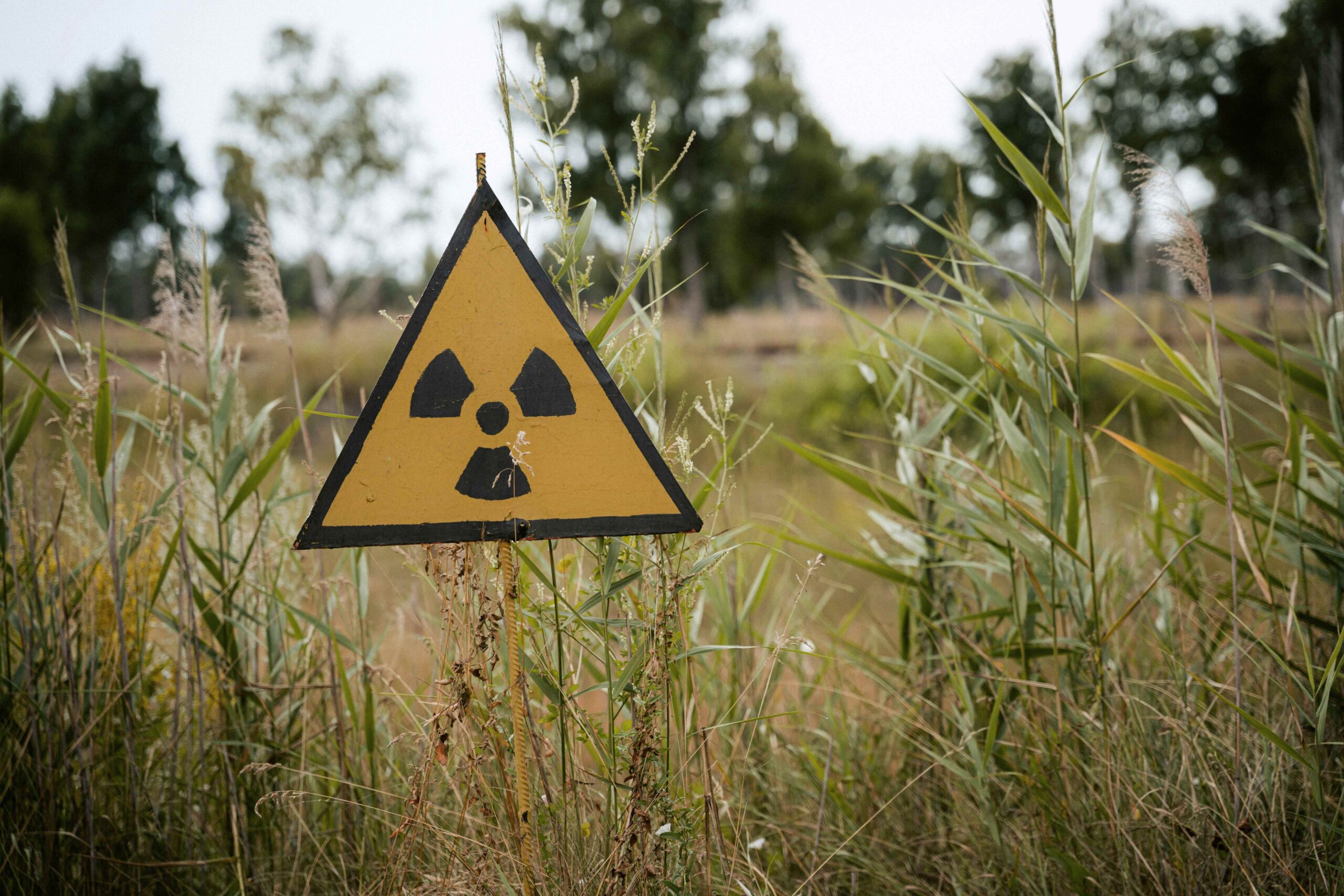
JULIANNE ATKINSON |GUEST My favorite writer in the Bible is the Apostle Paul. If Paul was a murderer and God STILL used him on the scale he did, he can use me despite my sins and failures. If Paul wrestled deeply in sin struggles and God STILL loved him, he can love me too. And after all of that, if Paul can fervently love Jesus with his mind and heart, pointing to him in what he says and does, I want to do that too. We see Paul’s heart in the book of Romans. I find chapters 7 and 8 especially encouraging where Paul writes about struggling with his sin. He describes how he does what he doesn’t want to do and doesn’t do what he wants to do (Rom. 7:15-20). We tend to idealize biblical characters, but Paul opens up about the fact that he has to literally wage war with his own sin, citing covetousness as an example earlier in the chapter. Our sin can be intimidating when the scales fall off and we see the true depths of our depravity. We often respond in several different ways to the reality of our sin. The large-scale analogy that I like to think of to compare it to is what happened at Chernobyl. Before the current tragic war, I was blessed to go to Ukraine a couple of times and teach English. One year, many Ukrainians told me about the HBO series on Chernobyl and said they loved it so I decided to watch it for myself. They were right. It is fantastic and I recommend it. Using this analogy, I want to describe three ways we might respond to our sin. Enter into the Struggle If there’s one thing that characterizes this series, it’s being told the right thing to do, and choosing the wrong thing to do, over and over, to the devastation of many lives. Sin can be like a nuclear explosion. It’s ugly, messy, and it contaminates everything in its vicinity. At Chernobyl, the nuclear core mysteriously explodes, and we see people respond just the way we do when we see our sin. First, we have the nuclear physicists. They’re the heroes. They acknowledge the problem and enter into the struggle, just as Paul does with his sin in the book of Romans. They’re informed; they know something happened and that it was catastrophic. They know the right thing to do and that it’s embarrassing; it requires some serious sacrifice, lots of work, and if they don’t act immediately and engage with the issue it will get much, much worse. “For if you live according to the flesh you will die, but if by the Spirit you put to death the deeds of the body, you will live” (Rom. 8:13). Cover it Up...

Responding to Our Sin2024-02-17T18:05:04+00:00

A Bible Study for Mature Audiences

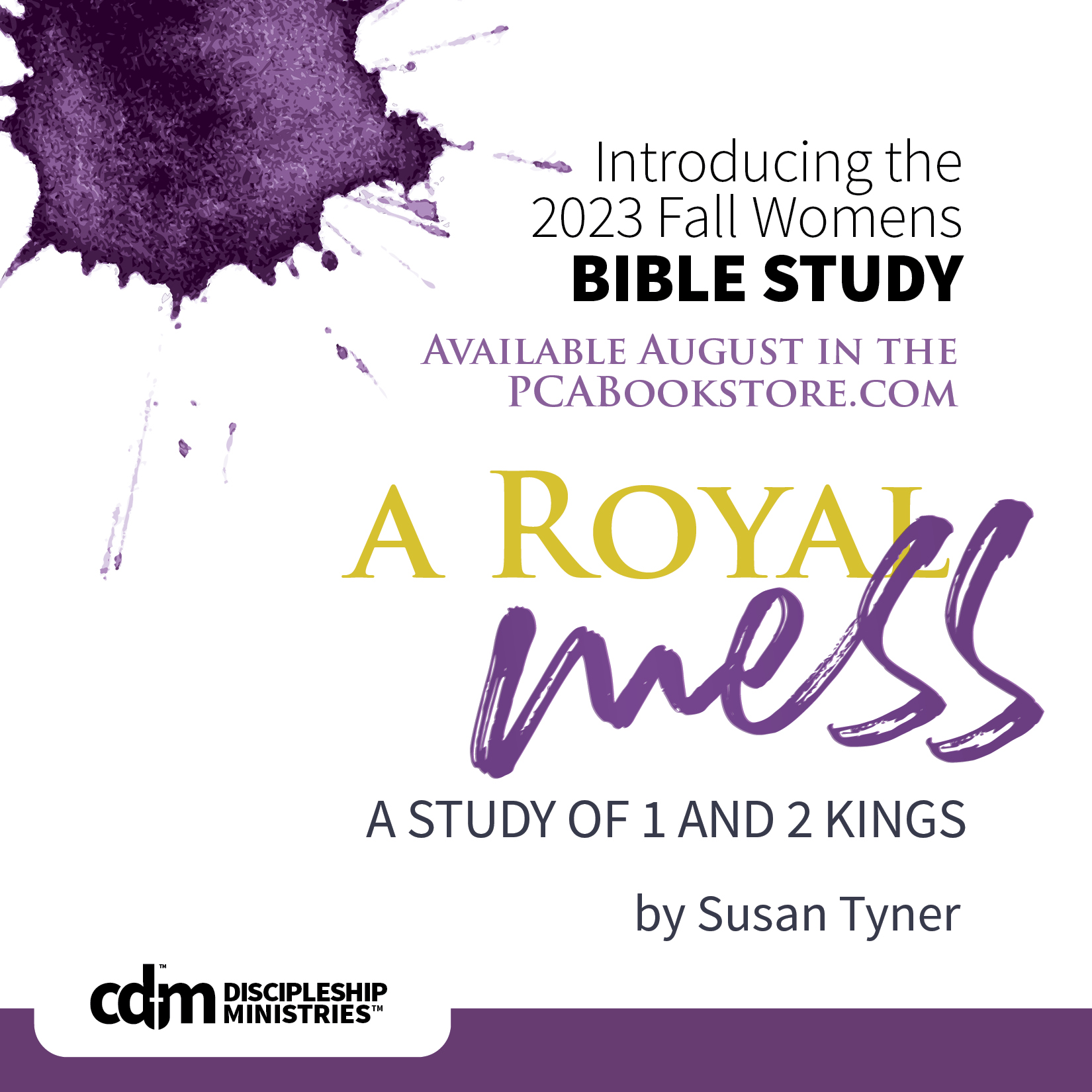
SUSAN TYNER|CONTRIBUTOR What do cannibalism, child sacrifice, and church people all have in common? To answer, open the Book of Kings. Strange to combine those three in the same sentence, yet the writer of 1 & 2 Kings shows how God’s people can sink into the worst kinds of sin. But how can a family of four sitting in the pew every Sunday possibly be in the same category as Hannibal Lector? Find out by grabbing some friends to study Kings. Between Moses’s burning bush and the Christmas angels’ song, you’ll discover stories of kings and prophets, miracles and murder, and a tragedy on display for all who care to read it. But why would such a shocking book make a good Bible study? How can Israel’s degeneration impact one’s spiritual walk today?  I offer three ways they’ve helped me in mine. You see how sin creeps in. Kings starts off so well. As King David passed his scepter to his son Solomon, Israel was poised for greatness. She thrived under Solomon’s rule. However, underneath all the gold and glitter, the crown was cracking. Nine hundred wives plus three hundred concubines can do that to a man. Did they bring a lot of credit card debt into the marriage? Maybe PMS on a grand scale? No, they brought their false gods. And, by the end of Solomon’s life, his heart had fallen out of love with the LORD and in love with their foreign gods. Lesson? Close associations can steer your heart. Choose ones who have the same soul-spirations as you do. Solomon wasn’t the only king who was disloyal to the LORD. We see this sort of creep in—marrying those outside their faith, welcoming other faith traditions, and living a life less in line with God’s law and more in line with the world—all along the way in Kings. This flirtation with sin happened back then—and now. You see where sin can take you. By the end of 2 Kings, we meet Manasseh. During his rule, Jerusalem, God’s favorite city—the place where He put His name—was overrun by foreign religions. In God’s own temple stood an Asherah pole and in His court were altars ready for astral worship. This is tantamount to a husband inviting his mistress into his wife’s bedroom to wear her lingerie, try out her perfume, and sleep in her bed. In this case, God is the one betrayed. Ezekiel 6:9 states plainly how that made their God feel, “how I have been broken over their whoring heart that has departed from me and over their eyes that go whoring after their idols.” Whoring? Can we say that word in a Bible study? We need to because we may be as guilty as Israel was then. Kings challenges us to ask, who are our Asherahs, our Molechs, and our Baals today? We may not bow down to the sun, but do we bow before people’s opinions? Do we overcommit to please family or to impress co-workers? A church leader may not offer child sacrifices but would she drive her daughter to get an abortion to cover up a teenage pregnancy, serving the god of her reputation? While an Asherah pole isn’t front and center in our living room, do we look at our bank balance or God’s word more?...

A Bible Study for Mature Audiences2023-11-15T22:01:50+00:00

You Can Run But You Cannot Hide

NEYSA NOVAK | GUEST Have you ever felt like the pressure from life has pushed you to a breaking point? As women, we tend to have a lot on our plate. Many of us care deeply for those around us. We raise children, work hard, and are involved in our communities. Balancing all these demands can be hard, but if you add in strained relationships, it can feel impossible. Outside of Eden, the struggle is real. I once found myself in what felt like a hopeless situation and chose my own way. On the Run from God I'm a public high school guidance counselor and work stress was taking a toll on me. In addition, my three kids played on three different sport teams, I'm a pastor's wife, and a women's ministry leader. One Saturday evening, my husband and I got into an argument—it’s classic spiritual warfare before the Sunday sermon. But I took the bait and came out of the argument feeling like he didn't appreciate my efforts at church. The next morning, I woke up early before the rest of my family and instead of praying, decided to go to a coffee shop to do some work. I know that willful disobedience to God never goes well, so I don't know why I found working on the Sabbath so appealing. I thought that if I could just get one hour of work in, I would feel better about my situation. I soon discovered that the entire student information system was shut down. This never happens without notice. My plans to work were thwarted, so I decided to go to a park instead. I thought it would be peaceful to sit in the car and shut my eyes for a few minutes of quiet. I heard worship music and realized I had parked near an outdoor worship service. Psalm 139:7 says, "Where shall I go from your spirit? Or where shall I flee from your presence?" God reminded me that I can't escape Him. I should have repented and headed home to ride with my family to Sunday School, but I was frustrated and didn't want to give in; I found myself in a battle of my will...

You Can Run But You Cannot Hide2023-09-02T16:59:54+00:00

A Reason for Pain and Suffering

SHARON ROCKWELL|CONTRIBUTOR Now in the winter of my life, I have witnessed many friends and family members deal with hardships that resulted in physical pain – miscarriages, a stillborn child, loved ones taken too soon, those who have had to endure cancer and heart disease.  Whenever I encounter someone in physical pain, my first inclination has been to pray that the pain would be taken away.  Secondly, I would offer help where needed.  Finally, I would make a deliberate effort to be grateful for all my blessings and for God’s goodness to me.  My feet have landed in pleasant places in comparison.  Psalm 16:5-6 reminds me of God’s goodness; “The Lord is my chosen portion and my cup; you hold my lot.  The lines have fallen for me in pleasant places; indeed, I have a beautiful inheritance.” Never have I looked into the eyes of a friend who was in pain and thought to myself this is a reminder to repent.  But that is precisely what John Piper tells us is a reason for physical pain in the world.  In his book Providence, Piper presents a convincing argument that God uses our pain as a call to repentance.  He reminds us first that our fallen world is under God’s judgement.  He permits the physical pain, the tragedies, and death itself.  But why?  Why does God judge the world with physical pain?  His argument goes back to the fall.  When Adam rebelled and ate the fruit of the tree which he was not supposed to eat, he was essentially taking a stand.  He decided that his ways were better than God’s ways, that God’s law did not matter, arrogantly thinking that there would not be consequences.  It was a mockery of God, completely out of step with what he owed God, which was glory, praise, honor, and obedience. We are still like Adam, completely unaware of how much our sins grieve our holy God.  God has become so insignificant in our daily lives that we don’t realize how much we hurt Him.  Piper suggests this is “one of the reasons God judged moral evil with physical pain.  While fallen people do not value God, they do value being pain free.  Therefore, to point them to the outrage of belittling him, God judges that belittling of God with physical pain and sorrow.  He subjected the whole creation to futility and corruption.  In other words, God puts the call to repentance in the language everyone can understand – the language of pain and death.”[1]...

A Reason for Pain and Suffering2023-08-15T13:24:26+00:00

Don’t Be A Fig Leaf

KIM BARNES|GUEST In recent years, I’ve come to terms with some parenting failures in raising my children when they were young. When I’ve shared with friends about my realized failures—when I’ve confessed sin, I’ve often gotten a response that goes something like this: “Don’t beat yourself up. Parenting is hard. You did the best you could at the time.” They’re not completely wrong. There is a sense in which I did my best. I love my children. I did not intend to harm them. I thought I was doing right at the time. But I’ve since learned that I misunderstood some of my children’s needs. I took some actions that though well-intentioned, missed the mark. And I failed to take some action that was necessary. I sinned against my children. The reason I share my failures is because I am grateful that God exposes sin and I want to proclaim God’s faithfulness to teach, guide, and forgive. I want to heed the encouragement of James 5:16...

Don’t Be A Fig Leaf2023-08-15T13:45:34+00:00

Not me! Not I…but Christ

One of the perks of studying abroad with a college theater group was free or cheap tickets to theatrical productions playing wherever we were. Actors like to play to full houses, so if there are spare tickets, they are happy to find worthy recipients. On one such occasion while I was studying in Italy, the British National Theatre was touring with their production of The Passion Play, and we somehow gleaned tickets for a performance in Rome. Because we had the “cheap seats” (the groundlings), we got to be very close to the action, sometimes part of the action, as we stood on the floor (for six hours with one dinner break). The first act told stories from the Old Testament, and the second act, the story of Christ from the gospels. Of course, during the Palm Sunday scene, everyone was excitedly cheering. Then during the Good Friday scenes, most of the audience was excitedly jeering. Except me. As one who seemed to be the “token Christian” in my group, I was not about to cry out, “Crucify Him!” I loved Jesus and wanted no part in demanding His crucifixion. And that’s what I shared when a couple of the others asked why I had been quiet. I thought of myself like one of the women who had followed Him and watched the crucifixion, devastated by His murder. I had even portrayed Mary Magdalene several times in an Easter monologue―but I had not considered why she followed Him even to death. (See Mark 16:9.) That kind of gratitude was not part of my response at the play, nor even part of my testimony....

Not me! Not I…but Christ2023-03-24T18:18:20+00:00
Go to Top