
GABRIELLA DJUNATAN|GUEST
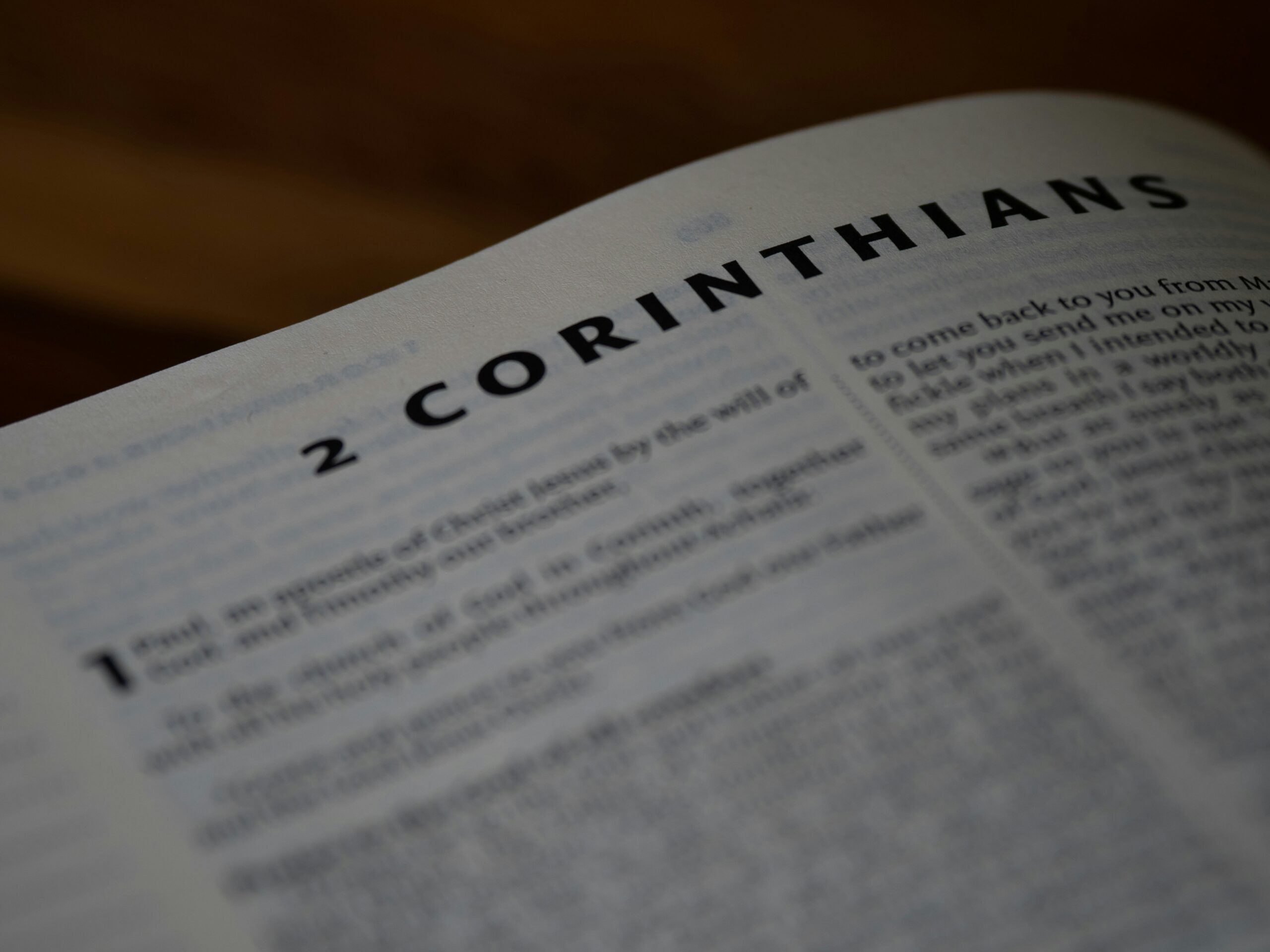
“For when I am weak, then I am strong.” I have seen 2 Corinthians 12:10 all over Instagram bios and on water bottle stickers. It’s one of those catchy one-liners that every Christian has heard or quotes in times of sickness or personal loss. However, what does true strength in weakness actually look like? And how do we know that we have it? Do we just need to feel weak physically or emotionally to “unlock” Christ’s strength? Returning this verse to its context teaches us that true strength in weakness is not simply positive thinking or manifesting good thoughts, but it is rooted in Christ’s work, who was also glorified in weakness.
Paul’s Painful Thorn
Preceding this verse, Paul shares how he was given a thorn in his flesh to keep him from becoming proud (verse 7). He has just shared of great, heavenly revelations that he experienced in 12:1-4. But God allowed this thorn to teach him humility. Paul had to deal with an ongoing negative situation that kept him from becoming self-absorbed. There are broad opinions around what this “thorn” was that Paul experienced—whether a physical illness, psychological condition, or external persecution. Though the text is silent as to the specific identity of Paul’s pain, the location is clear that he was afflicted physically in his flesh. Moreover, the “thorn” is not just a random weakness but one given by God to teach him humility and keep him faithful in his service. Paul acknowledges that it was an instrument used by Satan, as it tormented him. But it was also a gift of God, as it taught him important spiritual lessons and served God’s greater purpose. It was an expression of God’s grace towards Paul, as it kept him from continuing in the sin of pride.
Paul’s response to his suffering was to plead with the Lord for its removal. He acknowledges God’s sovereignty and does not turn against God but towards Him. But instead of removing the thorn, God answers Paul, saying, “My grace is sufficient for you, for my power is made perfect in weakness.” To be “made perfect” can be better understood as to be “made complete”, strengthened for every good work. As God’s grace was secured in the past at Christ’s death, its benefits continue to be bestowed on Paul in the present, sustaining his ministry. Christ was once in the uttermost condition of weakness, bearing the wrath of God, to reconcile us to God. God’s power raised Christ from death, and it is His resurrected power that sustains us when we call on Him. This strength comes not by circumventing or overcoming weakness, but in it, so that weakness is not an end in itself but serves the purpose of God’s glory.
Christ at Work
We can see that Christ’s power was at work in Paul’s joyful response to the spiritual lessons he learned (verse 10). Paul was facing real opposition as a servant of God, and experiencing afflictions allowed by God as he strived for holiness. Yet he accepted his experiences as worthy and good because they were lived out for Christ. Not because he enjoyed the suffering in itself, but because he received them knowing that Christ was present and at work behind them. These weaknesses were not only visibly experienced by Paul, but also audibly declared by him (verse 9). Paul joyfully boasted of seeing God at work to sustain his ministry.
It takes self-denial and humility for us to be vulnerable with others. Yet Christ’s power gives us strength to testify of God’s work in our lives. When we do share of our weaknesses, it should not be with self-pity or for our own gain or honor. Instead, we should honestly share of our struggles that come with striving to live a life for God.
God’s response to Paul is final and continues to remain an ongoing source of strength and a promise of comfort for him. Compared to Paul’s vague revelations and pain, God’s answer to Paul is clear, and it is recorded to encourage us today. We can read these words and be comforted as this promise also applies to us when we humbly call out to God. When we acknowledge our weaknesses as God’s servants, the power of Christ strengthens us to remain faithful to our calling. Our response of joy to our struggles, testimony of God’s work, and our courage to share them with others are marks of Christ’s strength at work in us.
So, what is God currently teaching you in your life that you can share with others? Can you see God’s hand behind your hardships? Some struggles are a result of our own sin or others’ sin, yet God is still working behind them to reveal the sins that cling to our hearts and teach us to turn to Him. By remembering God’s love as displayed in Christ, we are empowered with the strength, joy, and courage to fulfill our calling. God’s power is evident in our weaknesses as we strive to serve Him faithfully and proclaim His works.
Photo by Brett Jordan on Unsplash

Gabriella Djunatan
Gabriella Djunatan is a student at RTS Charlotte, currently pursuing a Master of Divinity. Originally from Melbourne, Australia, she followed God’s leading and provision to study in the United States. Before becoming a full-time student, she worked as an animator while serving in young adult, small group, and creative ministries. She attends Christ Covenant PCA, where she enjoys walking alongside other women, learning how God is at work in their lives, and encouraging them in their faith. When she’s not studying, she enjoys baking cakes, exploring new matcha spots, and wandering through walking trails.