
JANE STORY |GUEST
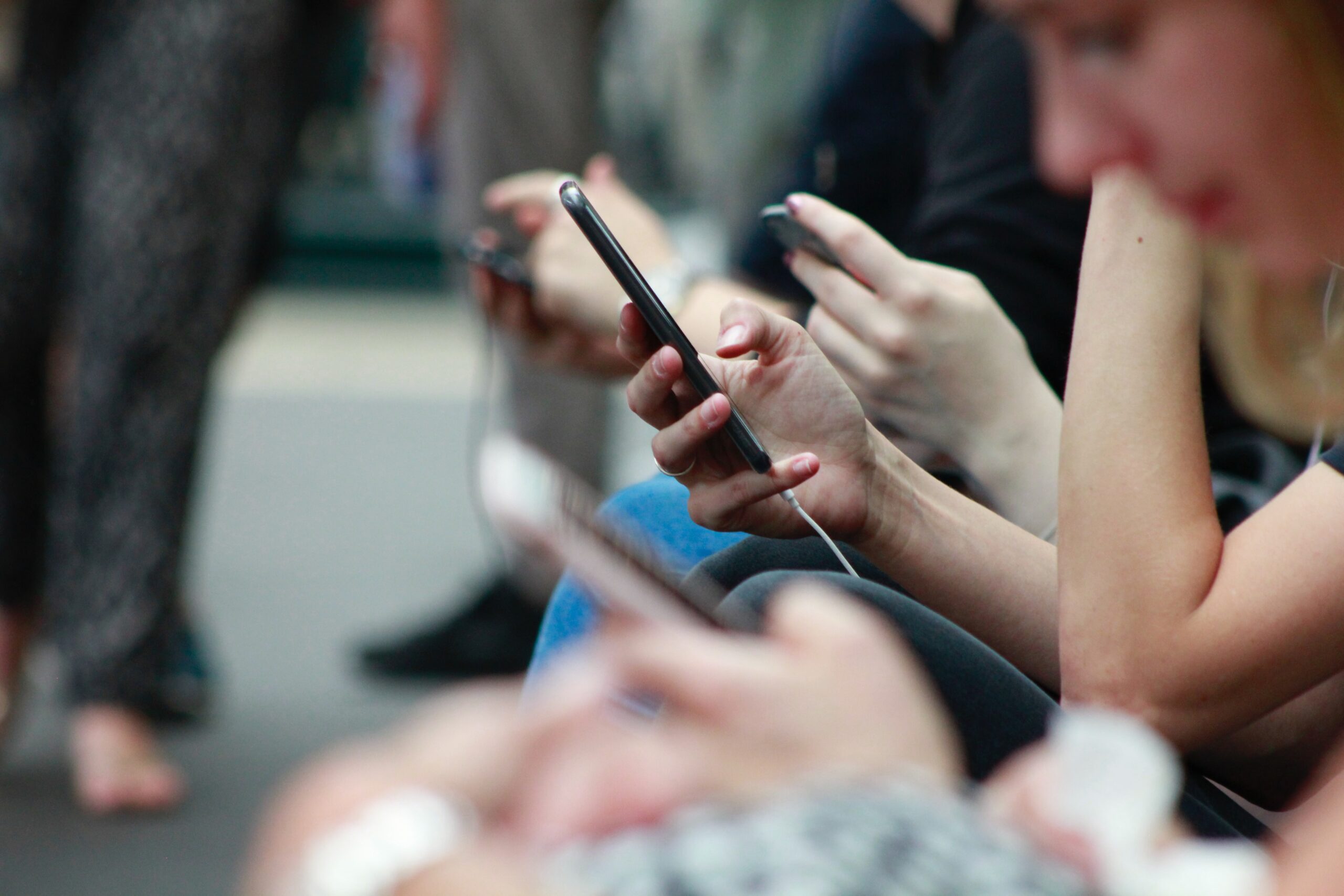
Our modern world boasts incredible technology. Yet ubiquitous internet, smartphones, and AI are powerful drugs with risks and side effects. Excessive internet use correlates with loneliness and it gives children access to porn at younger ages than in the past. Additionally, a study published last year notes AI’s negative impact on critical thinking skills.
Technology can help or a threaten our spiritual lives. The Bible app and devotional programs make God’s Word accessible. But many AI models represent religions inaccurately, and apps do not set our minds on things above (Col. 3:2). In my own life, technology distracts and entices me. I am tempted to ask advice from Chat GPT before turning to God, or I crave Instagram instead of the Word. I even find purpose in getting rid of notifications instead of walking in the Spirit. It’s not just a bad habit, it’s a sign that my heart looks to technology for comfort and meaning, instead of reserving that for God.
Low-Tech Experiment
I was born in the 90’s and remember a time before home internet. As a kid, my parents limited my screen time and taught me moderation and self-control. However, in January of 2025 I realized my life was out of balance. I constantly played music or podcasts from the time I awoke to the time I went to sleep. While reading my Bible I was tempted to scroll social media or text friends. Even surrounded by others, I was quick to pick up my phone. Thousands of daily opportunities to turn to the Lord and to community were all drowned out in a haze of blue light. Unlike Paul’s command in 1 Corinthians 6:12, I had become mastered by something other than Christ.
It was time to change, so I ran an experiment: 24 hours with no digital entertainment. This meant no TV, movies, music, podcasts, online games, or social media. I would only use my phone to text or navigate my city, and the screen would be in grayscale to discourage use. I decided to go from Saturday night to Sunday evening, hoping the Sabbath’s inherent restfulness would increase the benefits of the exercise.
I immediately mourned my podcasts when I was home alone Saturday evening. I started singing hymns to fill the silence. This meant I was obeying God’s command in place of mindless entertainment (Ps. 68:4; Col 3:16). That night it was hard to sleep without a podcast to help me drift off, but church Sunday morning was great without my phone. Seeing friends Sunday afternoon helped time pass, and when I was alone again my mind worked through unresolved thoughts. By the evening, I was sad to reengage but found that my screentime was reduced the entire following week.
The Benefits of Technology Fasting
My experiment had zero downsides. My mind calmed, I felt more peaceful, and I slept deeper. I was more present with friends. I spent unhurried time with the Lord and appreciated the beauty in my surroundings. I lessened my phone addiction and better understood my thoughts and feelings. I began to experience the calmed and quieted soul of Psalm 131. With fewer things pulling me away from Christ, it was easier to enjoy Him.
I’m not alone in noticing these benefits. The Mayo clinic asserts limiting technology makes us move more, enjoy more, socialize more, feel better, and connect with others. Essentially, it makes us better stewards (1 Cor. 9:24-27). Observations by author and professor Bruce Hindmarsh would agree that reduced usage helps us focus, cling to a biblical worldview, be more content, and be present with our in-person community.
Start Small
It’s easy to tell ourselves, “Everyone has a smart phone” and “I’m not that bad. It’s no big deal.” For me these excuses covered up laziness. I didn’t want to admit my habits had a negative impact. But what if we experimented with small changes instead of getting defensive?
Is your heart turning to technology instead of the Lord? If so, don’t wait to make a change, even if it’s small. You could do a 24-hour fast, or you could just put your phone in the other room and stay off of screens for one hour. Set an alarm so you’re not tempted to check your phone clock. Or consider replacing one digital activity with its analog equivalent. For example, what if you wrote your grocery list on paper instead of in an app? Alternatively, some people use search engines that allow the disabling of AI. If you’re competitive, challenge your friend to compare screen time reports each week and reward the winner. My current favorite habit is to ignore my phone in the morning until after I’ve made my bed and done my quiet time. It helps me seek the Lord first (Matt 6:33) instead of prioritizing notifications. There are hundreds of ideas you can try.
Each generation of Christians must steward resources they’re given. If you had to stand before our Lord today and give Him an account of your technology usage this past week, would you be confident or embarrassed? If the latter, confess your weakness and sin and welcome Christ’s forgiveness. Then ask the Holy Spirit to guide you to one thing you can do today to improve your tech habits. Finally, tell some Christian brothers and sisters about the change you want to make. The Lord gave us the church so we can encourage each other and hold each other accountable. May God give us the grace to walk faithfully with Him in our time.
Photo by ROBIN WORRALL on Unsplash
Jane Story
Jane is on staff with Cru and has served both in the US and abroad. In addition to writing she enjoys history, podcasts, board games, and all kinds of sports and recreation. Jane's writing is always completely human, with no AI intervention.